Wish you could skip I‑4 stress and still get to Orlando on time? If you live in Sanford, you have a commuter rail option that can make weekday travel more predictable and your evenings more fun near Lake Monroe. Whether you want to walk to the platform from downtown or keep a car and use park‑and‑ride, this guide shows you which Sanford neighborhoods work best with SunRail and how to plan a car‑lighter routine. You will also learn how to test the commute, compare train versus driving, and plug into downtown dining and waterfront recreation. Let’s dive in.
What SunRail means for Sanford commutes
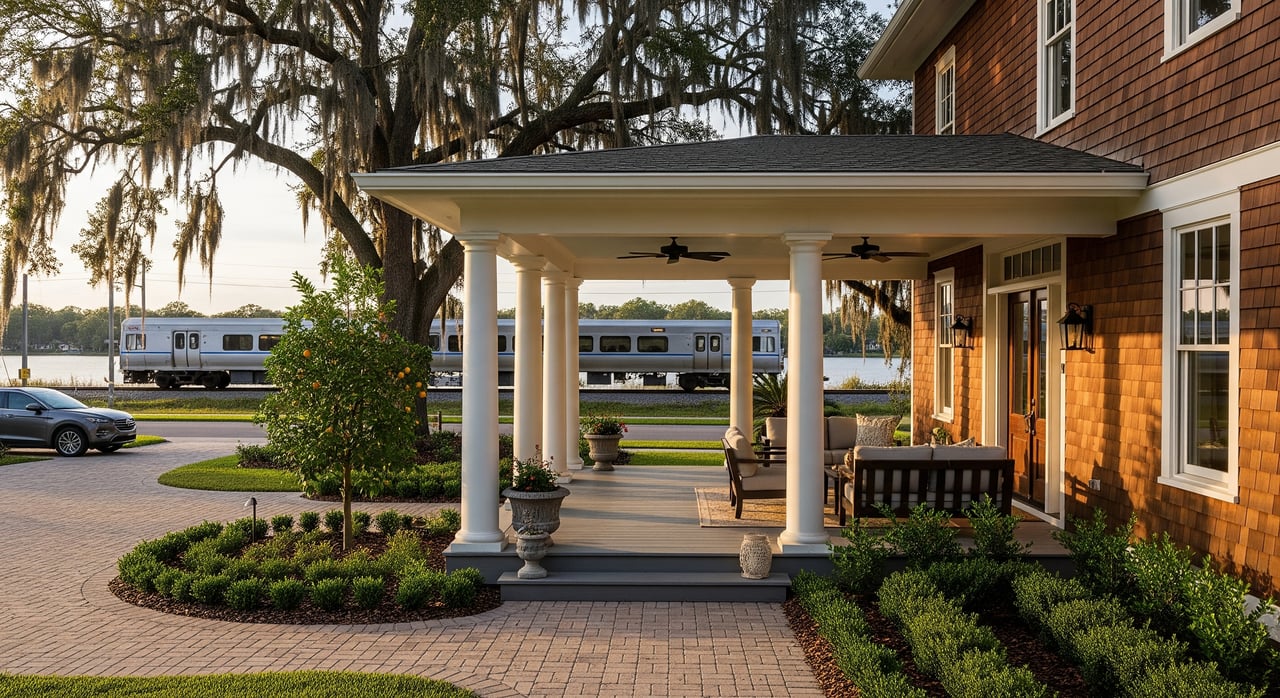
SunRail is the Orlando area’s regional commuter rail that connects northern suburbs through downtown Orlando to the south. Sanford’s station sits by the historic downtown and the Lake Monroe waterfront, which makes it an appealing option if you want a reliable weekday commute without driving every day.
Service is concentrated on weekdays, with more trains during morning and evening rush hours and fewer in the middle of the day. Before you commit, check the current timetable and fare options on the official site for the latest details on train times, passes, and zones. You can find updates on SunRail schedules, fares, and station amenities.
Most stations, including Sanford, typically offer park‑and‑ride parking, bike racks, and pickup areas to support last‑mile trips. Local bus connections and shuttles may be available depending on the route and time of day. Always verify current parking rules and connections on SunRail’s site before your first weekday ride.
Neighborhoods with the best station access
Below are Sanford neighborhood clusters and how they line up with the SunRail station for walking, biking, or short‑drive access. Exact times depend on your block, street crossings, and the route you prefer.
Walkable: Downtown and Historic Sanford
If you want to stroll to the platform, downtown blocks near the waterfront are your best bet. Many homes and apartments here are within about a half to one mile of the station, which can mean a 5 to 20 minute walk for most people. Housing includes historic single‑family homes, renovated cottages, condos, apartments, and some newer townhomes.
The lifestyle is a major draw. You can enjoy a high concentration of restaurants, breweries, cafes, galleries, and live‑music venues. Explore options and events through downtown restaurants, breweries, and events. Being near Lake Monroe also puts waterfront parks and the marina in easy reach, which is great for evening walks after your commute.
Bike or quick ride: East Sanford and Mellonville
Neighborhoods east of downtown often sit one to two miles from the station. That puts you in a comfortable bike range or a quick rideshare away. These areas tend to feel residential and a bit quieter, while still being close to downtown dining and the riverfront.
If you prefer a low‑key street vibe and do not mind a short pedal, this cluster allows you to keep your daily train routine while enjoying more residential blocks. You can also drive and park at the station on days when the weather or your work schedule is tight.
Short drive and park: Northern suburban clusters
Neighborhoods north of downtown and around golf and club corridors usually reach the station in a 5 to 12 minute drive. Many commuters from these pockets use park‑and‑ride, which lets you maintain a larger single‑family home with a yard while still tapping into predictable rail service on weekdays.
This setup works well if you want space at home, prefer quieter streets, and plan to train commute a few days a week. Confirm parking details and station access points on SunRail’s site so your morning routine stays smooth.
Close and residential: Goldsboro and nearby streets
The Goldsboro area and adjacent historic residential streets sit close to downtown. Depending on the block, you may be within about one to two miles of the station. That makes it walkable for some residents and a short bike or drive for many others.
If you want proximity to downtown amenities without being in the busiest core, this area is worth exploring. Evaluate your specific route to the platform and test the door‑to‑door timing during a weekday morning.
How to choose by commute style
Think about how you want to reach the platform most days, then pick a neighborhood that matches that style.
- Daily walker: Aim for blocks within a half to one mile of the station. Look at sidewalk quality and crossings on your likely route.
- E‑bike or scooter: One to three miles is workable for many riders. Check bike lanes and street comfort. Tools like Walk Score can offer a quick snapshot of walkability and bikeability for a specific address.
- Drive and park: Any Sanford neighborhood within a 5 to 12 minute drive can work well. Confirm current parking rules and hours on the SunRail site before you build your routine.
- Hybrid: Walk or bike on pleasant days, drive on busy days. Plan a backup option if meetings run late or you need mid‑day flexibility.
Train vs driving: what to expect
Driving on I‑4 between Sanford and downtown Orlando can be variable. Under lighter traffic, many trips run 25 to 45 minutes door to door, and peak congestion can push travel times higher. Trains run on set schedules. Your total trip includes walking or riding to the station, any wait time, the on‑train ride, and the final leg from your destination station to your workplace.
For many weekday riders, the rail trip plus last‑mile time is competitive with driving during rush periods. The biggest trade‑offs are predictability and the ability to read or work on the train versus the fixed schedule and last‑mile logistics you need to plan. Check current travel times and frequency on the SunRail schedules and trip planner so you can match the service to your work hours.
Lifestyle near the Sanford station
Living near the station often means your evenings and weekends are easier too. Downtown Sanford has a lively mix of eateries, breweries, and arts venues, with weekly markets and seasonal festivals. You can scan what is happening and discover new spots through Visit Sanford’s overview of downtown dining and events.
Lake Monroe adds outdoor variety to your week. You will find waterfront parks, a marina, the riverwalk experience, boat ramps, and places to enjoy the view. For official details on parks, waterfront amenities, and the marina, see City of Sanford parks and marina information.
Try it: a one‑day SunRail test
A trial run on a typical workday is the easiest way to see if SunRail fits your routine.
- Map your route. Pick a downtown, east‑side, or nearby neighborhood you are considering. Estimate the walk or bike time to the station, or your drive and parking plan.
- Check the timetable. Pick a morning train that aligns with your target office arrival. Use the SunRail schedules and trip planner to choose your departure and return.
- Do the full trip. Leave home at a realistic time, reach the station, ride to your destination, then walk or shuttle to your workplace. Repeat the process in reverse for your evening return.
- Compare notes. Track how the train, transfers, and last‑mile felt compared with driving. Decide if you prefer predictability and quiet time on the train or the flexibility of a car‑first routine.
Buyer and renter checklist
Use this checklist to narrow your options and avoid surprises after you move.
- Confirm train times fit your workday, including return trips and any mid‑day needs.
- Decide your primary last‑mile plan: walk, bike, rideshare, or park‑and‑ride.
- Estimate door‑to‑door time for both a typical morning and a late afternoon return.
- Verify parking rules and availability at the station if you plan to drive.
- Match lifestyle fit: lively downtown vibe or quieter suburban feel, access to parks and waterfront, proximity to grocery and services.
- For address‑level walk scores and bike comfort, check Walk Score and then verify on the ground.
- For commute statistics and context, review the American Community Survey commuting data for Sanford and Seminole County.
Planning ahead: service and growth
SunRail service levels and fares can change. Keep an eye on official updates for any timetable or pass adjustments that affect your commute. You can monitor service news at SunRail’s website.
Regional transportation planning also shapes future commuting choices. If you like to think long term, follow MetroPlan Orlando regional transportation plans for studies and projects that may influence traffic patterns and transit connectivity over the coming years.
Ready to explore Sanford homes near SunRail?
If you are aiming for a car‑lighter lifestyle with downtown dining and Lake Monroe evenings, living near the Sanford SunRail station can be a smart move. I help buyers and sellers weigh commute options, compare neighborhood fits, and make confident decisions. Let’s map out your plan and tour the blocks that match your goals. Reach out to Jen King to get started.
FAQs
Which Sanford neighborhoods are walkable to the SunRail station?
- Many downtown and historic Sanford blocks within about a half to one mile can be a 5 to 20 minute walk, depending on your exact street and route.
How long is the SunRail ride from Sanford to downtown Orlando?
- Trip times vary by schedule and stops, so check the current timetable; plan for the full door‑to‑door journey, including your walk or ride to the station and the last leg to your office, using the SunRail schedules and trip planner.
Are parking and bike options available at the Sanford SunRail station?
- SunRail stations typically offer park‑and‑ride parking, bike parking, and drop‑off areas; confirm current amenities and rules on the official SunRail site.
Is it realistic to live car‑light in downtown Sanford?
- Many daily needs are within walking or biking distance downtown, and SunRail covers weekday trips, while suburban neighborhoods often pair better with a car plus occasional train rides.
Where can I find current commute statistics for Sanford?
- The U.S. Census Bureau’s American Community Survey commuting data provides mode share and average travel time to work for Sanford and Seminole County.
Do homes or rentals near the station cost more than further out?
- Properties close to transit and downtown amenities often draw strong interest for convenience and walkability, but pricing varies by market conditions; review current MLS data and county appraisal records with your agent to compare options.