Are you trying to buy your first home in Winter Springs and wondering where real value still exists? You are not alone. Many first-time buyers want a safe, simple plan that fits a real budget without giving up location. In this guide, you will learn what counts as a starter home here, typical price ranges, how to spot value pockets, and the exact steps to get offer-ready and win. Let’s dive in.
What counts as a starter home in Winter Springs
Starter homes in Winter Springs tend to be one of two types:
- Condos or townhomes with smaller footprints and HOA-managed exteriors.
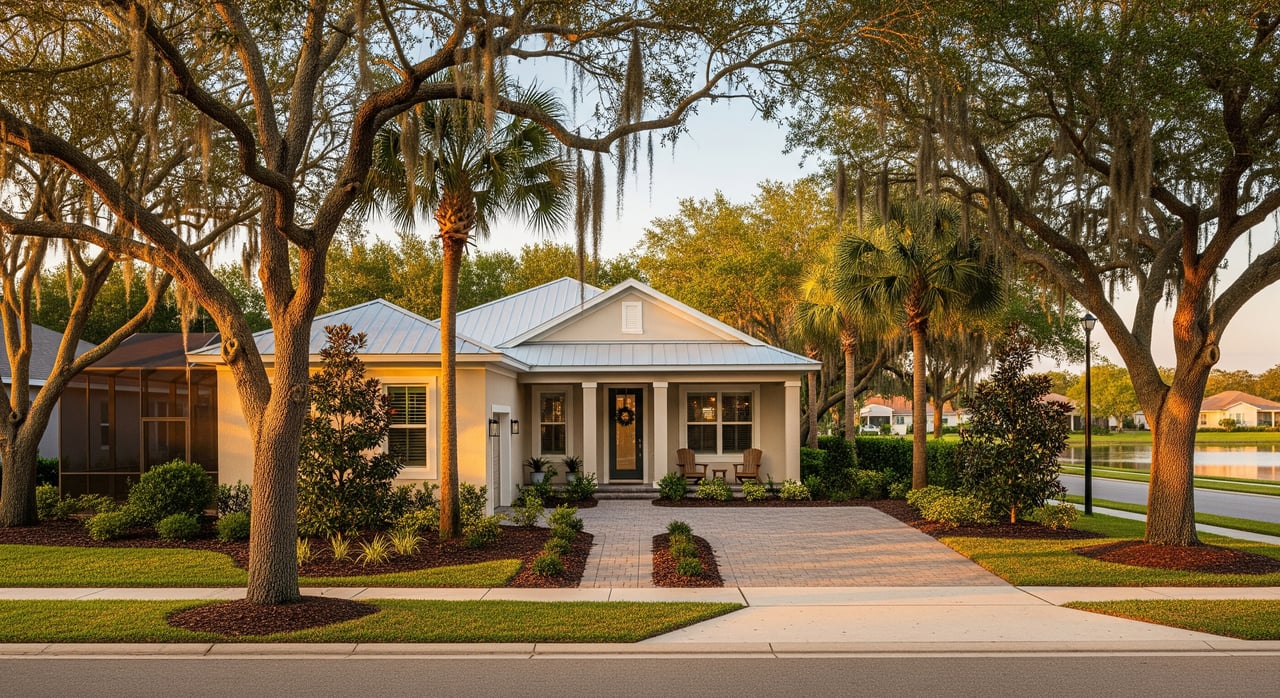
- Smaller detached single-family homes with 2–3 bedrooms and modest lots.
You will also find the occasional larger home that needs cosmetic updates. These can be smart buys when the layout and major systems work for your needs.
Price expectations today
Entry-level pricing moves with market supply and demand. Historically in the Winter Springs and greater Seminole County area, condos and townhomes often represent the lowest entry point, frequently in the lower-to-mid $200Ks. Smaller single-family homes commonly start in the low-to-mid $300Ks and up, depending on condition, lot size, and exact location.
Always verify live numbers before you write an offer. Price-per-square-foot, days on market, and the number of active listings under a target threshold will tell you where the true starter segment is at the moment.
What drives price movement
- Condition and updates: Fresh roofs, newer HVAC, and move-in-ready finishes often command higher prices.
- Location factors: Proximity to high-traffic corridors like SR 434 and access points to SR 417 can influence pricing compared to quieter streets.
- Competition and DOM: Fast-selling homes with short days on market usually sit in the most active price bands.
Where value pockets appear
You can uncover value without straying far from the heart of Winter Springs. Look for:
- Older homes or smaller lots within city limits that offer a strong location at a lower price.
- Properties described as needing “cosmetic updates,” “paint and flooring,” or “estate sale.”
- Condos and townhomes with reasonable HOA dues and solid reserves.
- Close-in areas that have not seen recent renovations or developer attention.
How to find them like a pro
- Use map-based searches with filters for price, beds/baths, year built, and days on market. Watch for clusters under your budget.
- Compare price-per-square-foot across adjacent blocks with similar bed/bath counts.
- Review county property appraiser records for year built, lot size, and assessed value vs. list price.
- Track changes in days on market by pocket. Slower pockets can create room to negotiate.
What to expect by build era
- 1970s–1990s: You will often see ranch and split-level styles, mature trees, and smaller kitchens or baths by today’s standards. Systems may be original or updated, so inspections are key.
- 2000s–2010s: Newer subdivisions and infill bring open layouts and modern materials. Expect higher prices for the convenience of newer systems and designs.
- New construction: Limited pockets appear in and near Winter Springs. New builds are less common than in fast-growing outskirts, and when they do show up, they usually price above typical starter levels.
Tip: Focus on homes that need cosmetic updates rather than major structural repairs. They often deliver the best value for first-time buyers.
Get offer-ready: financing and programs
Strong preparation helps you move fast and negotiate with confidence.
- Get a full pre-approval from a lender. Make sure it states loan type, approved amount, down payment, and estimated monthly payment.
- Save for down payment, closing costs, and an emergency reserve. Ask your lender about programs for first-time buyers.
- Check and improve your credit score if you can. Better scores can lower your rate and mortgage insurance.
- Know your debt-to-income ratio. Many loan programs look for DTI near or below about 45%, depending on loan type.
Loan types to compare
- Conventional loans, including some 3% down options for first-time buyers.
- FHA loans with lower down payments and flexible credit guidelines.
- VA loans if you are eligible.
- USDA loans for qualifying rural-eligible properties.
Ask about assistance available through the Florida Housing Finance Corporation and Seminole County homeownership programs. Confirm current offerings and eligibility with your lender and the county before you apply.
Craft a winning offer
When competition heats up, terms can matter as much as price.
- Earnest money: Offer a reasonable deposit to show you are serious.
- Inspection strategy: Keep a general inspection contingency on older homes. You can shorten timelines to stay competitive without waiving protection.
- Escalation clauses: Consider one to beat competing offers up to a cap. Use clear terms and documentation.
- Flex on timing: A flexible closing date or rent-back period can help your offer stand out.
Avoid risky moves like removing all inspections. If you consider targeted waivers, do it only with a clear understanding of the property’s condition.
Budget for Winter Springs ownership costs
Florida-specific costs can affect your monthly budget. Plan for:
- Homeowner’s insurance, including wind or hurricane coverage. Get quotes early and ask about possible wind mitigation credits.
- Flood insurance if a property sits in a mapped flood zone. Lenders require it for many federally backed loans in those areas.
- Property taxes based on Seminole County rates. If this will be your primary residence, apply for the Florida Homestead Exemption after closing.
- HOA dues and any special assessments for condos and townhomes. Review budgets and reserves during your contract period.
Smart search and showing strategy
Speed and clarity can make the difference.
- Set clear search criteria for must-haves and deal-breakers, then act quickly when a match hits the market.
- Tour new listings early, and attend open houses to learn neighborhoods faster.
- Use map filters and price-per-square-foot comparisons to spot undervalued options.
- If a home is older or updated in stages, consider specialized inspections like roof or HVAC in addition to the general inspection.
First-time buyer timeline and checklist
- Financial check (2–4 weeks)
- Pull credit, review DTI, estimate your down payment, and speak with one or two lenders.
- Pre-approval and program research (1–2 weeks)
- Get formal pre-approval and ask about down payment assistance options.
- Choose your local buyer’s agent and set search criteria (1 week)
- Zero in on target pockets, home types, and price band.
- Monitor the market and tour homes (variable)
- Move fast on new listings in your range and gather price-per-square-foot comps.
- Offer prep (1–3 days)
- Finalize proof of funds for earnest money, set inspection timeline, and consider an escalation cap.
- Contract and inspections (2–3 weeks typical)
- Schedule your general inspection and any needed specialty checks.
- Appraisal and closing (about 30–45 days)
- Coordinate with your lender and title company. Confirm insurance and, if applicable, HOA documents.
Your next step
If you want a clear, step-by-step plan tailored to your budget and timeline, let’s talk. With deep experience across Seminole County and Winter Springs, I will help you find the right starter home, run the numbers, and write a winning offer with confidence. Connect with Jen King to get started.
FAQs
What is a typical starter-home price in Winter Springs, FL?
- Historically, condos and townhomes often start in the lower-to-mid $200Ks, while smaller single-family homes commonly begin in the low-to-mid $300Ks and up; always confirm live data before you offer.
How do HOAs affect condo or townhome affordability in Winter Springs?
- Monthly dues add to your payment and cover items like exterior maintenance or amenities, so include them in your budget and review the HOA’s reserves and any known assessments during your contract period.
Are flood zones a concern for first-time buyers in Winter Springs?
- Some properties may sit in mapped flood zones, which can require flood insurance and increase monthly costs; check flood maps during due diligence and get insurance quotes early.
Which first-time buyer programs can help in Seminole County, FL?
- Ask your lender about options through the Florida Housing Finance Corporation and any Seminole County homeownership assistance programs, including down payment aid if you qualify.
How long does it take to close on a home in Winter Springs?
- Many financed purchases close in about 30–45 days after going under contract, depending on your loan type, appraisal timing, title work, and HOA document review.
What should I inspect closely on older Winter Springs homes?
- Pay special attention to roof age, HVAC condition, electrical systems, and any signs of moisture; add specialty inspections if age or notes in the listing raise questions.