Trying to choose between downtown Sanford and suburban Sanford? That decision can shape how you spend your mornings, how you commute, and what kind of homeownership tradeoffs you live with every day. If you are weighing walkability, home style, commute routes, and budget, this guide will help you compare the two in a practical way so you can focus your search with more confidence. Let’s dive in.
Downtown vs. Suburban Sanford
At a high level, downtown Sanford offers a more compact, historic, and walkable setting centered around First Street, Park Avenue, and the Lake Monroe waterfront. The City of Sanford describes the area as a place with brick-lined streets, mature oak trees, historic homes, local shops, restaurants, galleries, and entertainment venues.
Suburban Sanford usually means residential subdivisions and retail corridors farther from the waterfront core. In these areas, your routine is more likely to involve driving for errands, dining, and shopping, especially near larger retail areas west of downtown like the Seminole Towne Center area, according to the City of Sanford visitor information.
The right fit depends less on which area is "better" and more on how you want your daily life to feel. If you want character and convenience on foot, downtown may stand out. If you want more space, parking, and neighborhood amenities, suburban Sanford may make more sense.
How Daily Life Feels
Downtown Sanford lifestyle
Downtown Sanford is the stronger choice if you want more of your routine to happen close to home. The area offers access to restaurants, events, local businesses, and the waterfront, which can make it easier to enjoy evenings and weekends without always getting in the car.
The city also highlights the popular Sanford RiverWalk, and its RiverWalk information notes the trail has grown into a nearly five-mile multi-use path that completes a 26-mile loop around Lake Monroe. For buyers who enjoy walking, biking, and being near activity, that can be a major quality-of-life advantage.
Suburban Sanford lifestyle
Suburban Sanford tends to support a more driving-based routine. That does not mean it is inconvenient. It simply means your day is more likely to revolve around neighborhood streets, subdivision living, and quick car trips to shopping, work, and services.
For many buyers, that setup is actually the goal. If you want a quieter residential pattern, more separation between home and entertainment areas, or easier access to major roads, suburban Sanford can be the more practical option.
Housing Styles and Ownership Tradeoffs
Downtown Sanford homes
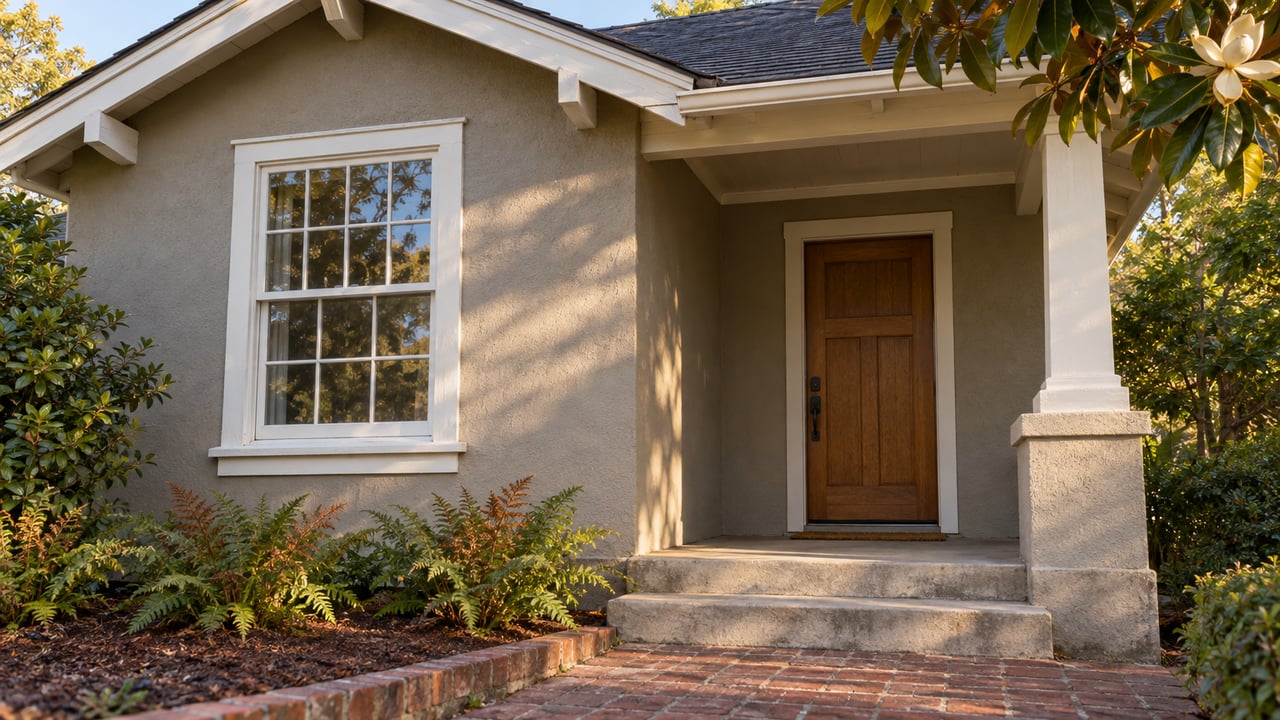
Downtown Sanford stands out for its older housing stock and architectural variety. The City of Sanford historic preservation page notes that the Downtown Commercial Historic District, Sanford Residential Historic District, and Georgetown Historic District are listed on the National Register of Historic Places.
The city also identifies a broad range of styles in these districts, including Queen Anne, Craftsman, Colonial Revival, Mediterranean Revival, Ranch, Bungalow, and Minimal Traditional. If you are drawn to charm, distinctive architecture, and established streetscapes, downtown has a lot to offer.
That said, there is an ownership tradeoff. The city requires a Certificate of Appropriateness before exterior work begins on properties in the downtown commercial and residential historic districts. If you love the idea of preserving character, that may feel worthwhile. If you prefer more flexibility for exterior changes, that is something to think through early.
Suburban Sanford homes
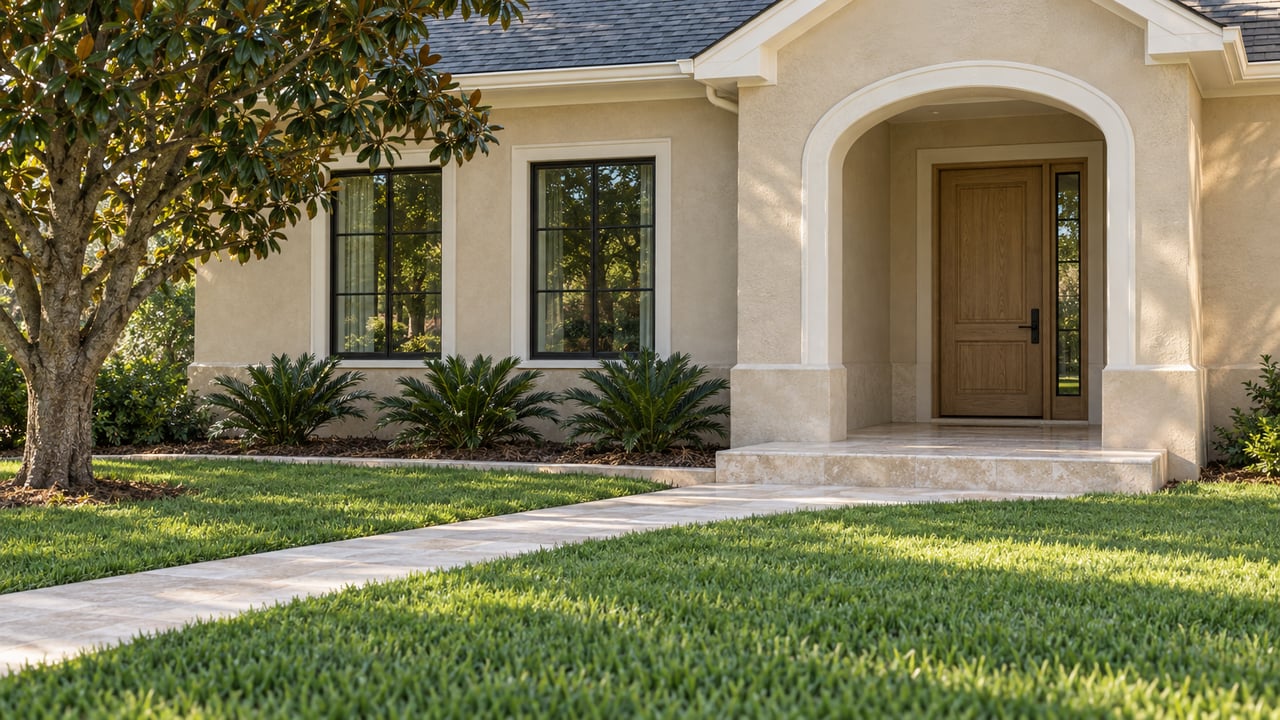
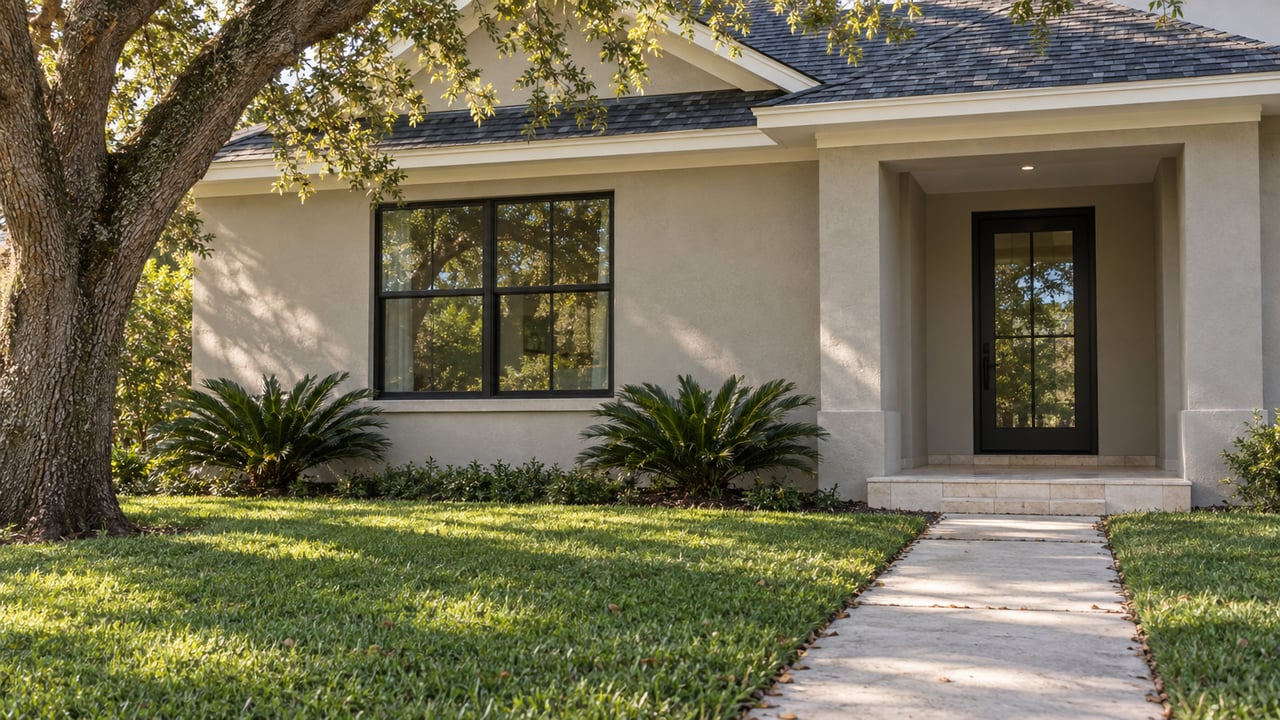
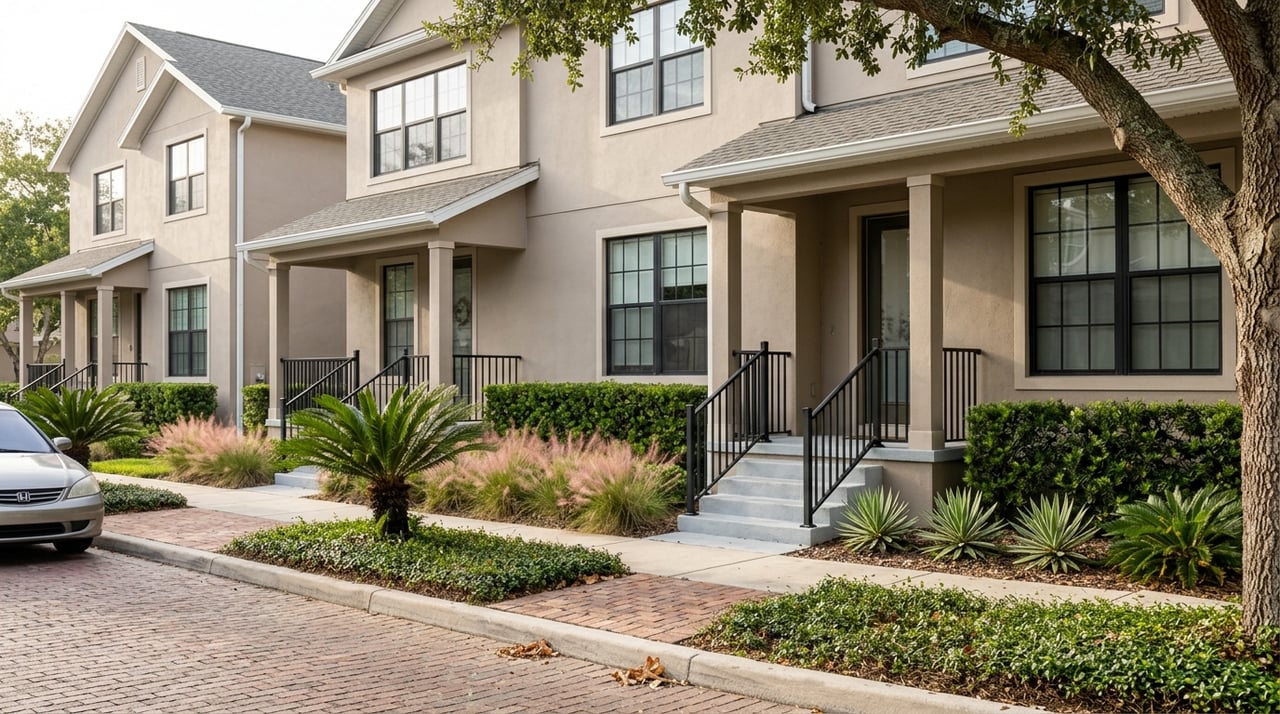
Suburban Sanford is more likely to offer newer single-family homes and townhomes, often with features that many buyers prioritize for everyday convenience. In general, this part of the market gives you more opportunities to find garages, driveways, larger lots, and HOA-managed amenities.
The research also shows that suburban options can include a wide range of housing setups, from entry-level and mid-market neighborhoods to higher-end communities. That makes suburban Sanford appealing if you want more choice in layout, parking, and amenity packages instead of focusing mainly on historic character.
Walkability, Transit, and Commuting
Downtown Sanford access
If walkability matters to you, downtown Sanford has a clear edge. A downtown commercial listing on CityFeet shows an 84 Walk Score, while Walk Score reports Sanford’s citywide average Walk Score as 27.
Downtown also offers more ways to mix transportation options into daily life. The city provides free trolley service between the Sanford SunRail station and downtown stops, and SunRail notes that the Sanford station is near State Road 46 and Airport Boulevard with a park-and-ride lot a short distance from historic downtown.
For some buyers, that combination matters a lot. If you want the option to walk to dinner, bike along the waterfront, or connect to rail service more easily, downtown Sanford is usually the stronger fit.
Suburban Sanford access
Suburban Sanford is generally better aligned with car-based commuting. A Sanford corridor property on CityFeet shows a 40 Walk Score and 0 Transit Score, which helps illustrate the difference from the downtown core.
The city also notes that Sanford is close to I-4 and State Road 417, which is important if your job, appointments, or travel patterns depend on regional road access. If your priority is getting on the highway quickly instead of walking to nearby destinations, suburban Sanford usually fits that need better.
Budget and Price Range
Sanford’s overall market looks relatively balanced right now. According to Redfin’s Sanford housing market data, the median sale price was $320,000 in February 2026, down 5.9 percent year over year, with homes taking about 65 days to sell.
At the same time, Realtor.com reports 621 homes for sale, a median listing price of $375,000, and a 99 percent sale-to-list ratio. That suggests buyers may have some room to negotiate, but not dramatically below asking in many cases.
Where things get more nuanced is the downtown-versus-suburban comparison. Downtown historic district pricing is harder to generalize because inventory is very limited. The research report notes that Redfin’s downtown historic district page currently shows only one home for sale, so any sale-price metric there should be treated as a thin-sample indicator rather than a stable submarket average.
Suburban Sanford, by contrast, covers a much wider range. Realtor.com neighborhood data for Lake Forest shows how broad that spread can be, with higher-end pricing in some areas and more moderate price points in others nearby. Zip-code comparisons in the research report also show variation between 32771 and 32773, reinforcing the idea that suburban Sanford is not one single price tier.
Questions to Ask Yourself
If you are still deciding, these questions can help narrow your search:
- How many of your weekly errands do you want to handle on foot?
- Do you care more about architectural character or more square footage and parking?
- Are you comfortable with historic-district exterior review rules, or would you rather compare HOA-managed communities?
- Does your budget align better with a smaller downtown inventory pool or a wider suburban range?
- Will your commute rely more on SunRail and trolley access, or on I-4, SR 417, and SR 46?
Those answers can quickly point you in the right direction, even before you start touring homes.
When Downtown Sanford Makes Sense
Downtown Sanford may be your better match if you want:
- Walkable access to restaurants, events, the waterfront, or the RiverWalk
- Historic architecture or newer infill homes in a historic setting
- A lifestyle that includes walking, biking, trolley use, or rail access
- A neighborhood feel shaped by older homes and established streetscapes
This option often appeals to buyers who want location and character to lead the decision.
When Suburban Sanford Makes Sense
Suburban Sanford may be your better match if you want:
- A single-family home or townhome with a garage, driveway, yard, or community amenities
- Faster access to I-4, SR 417, or SR 46 for commuting
- A broader range of neighborhood and price options
- A home search focused more on square footage, lot size, and subdivision features
This option often works well if convenience by car and housing variety are higher priorities than walkability.
How to Make the Final Call
In many cases, the best answer is not just downtown or suburban. It is finding the part of Sanford that matches your routine, budget, and comfort with the tradeoffs that come with each setting. A historic home near the waterfront and a newer home in a planned community can both be great choices, but they support very different versions of daily life.
If you want help comparing Sanford neighborhoods in a more personal way, Jen King can help you sort through the options, narrow your search, and make a confident decision based on how you actually want to live.
FAQs
What is the main difference between downtown Sanford and suburban Sanford?
- Downtown Sanford is generally more walkable, historic, and centered around local shops, dining, and the waterfront, while suburban Sanford is more car-oriented and often offers newer homes, more parking, and neighborhood amenities.
Is downtown Sanford more walkable than suburban Sanford?
- Yes. The research report cites a downtown Walk Score of 84 on CityFeet, compared with Sanford’s citywide Walk Score average of 27 on Walk Score.
Are there special rules for homes in downtown Sanford historic districts?
- Yes. The City of Sanford requires a Certificate of Appropriateness before exterior work begins on properties in certain downtown historic districts.
Does suburban Sanford always cost less than downtown Sanford?
- No. The research shows suburban Sanford has a wide price range, from more moderate neighborhoods to higher-end areas, so it is important to compare specific neighborhoods rather than assume one area is always cheaper.
Is downtown Sanford better for commuting without a car?
- Downtown Sanford is usually the better fit if you want to use walking, biking, trolley service, or SunRail as part of your routine.
Is suburban Sanford better for highway access?
- Yes. Suburban Sanford is generally better suited for buyers who want quicker access to I-4, SR 417, and SR 46 for a driving-based commute.